A smart combination of benzoic acid and glycerol work better together for piglet
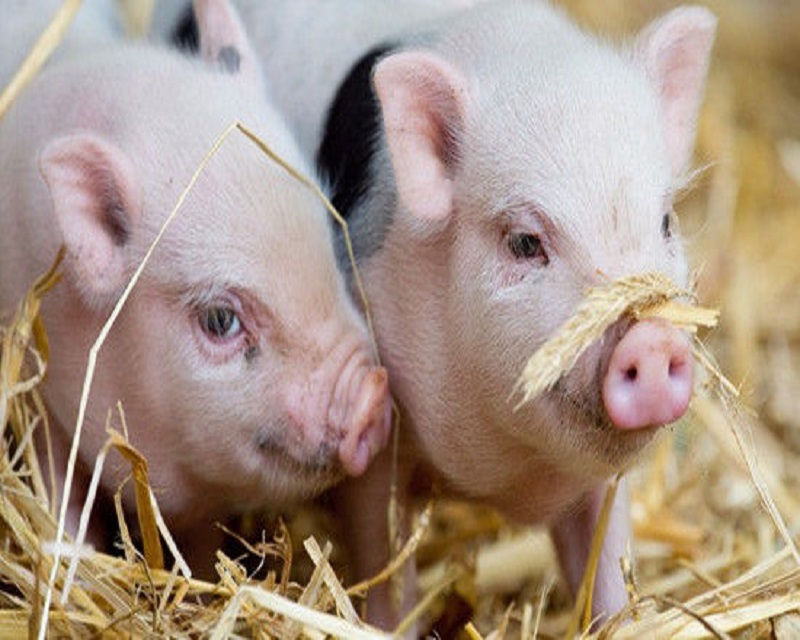
Are you looking for optimized performance and less feed loss?
After weaning, piglets go through a tough time. Stress, adapting to solid feed, and a developing gut. This often leads to digestive challenges and slower growth.
Benzoic acid + Glycerol Monolaurate Our new product
A smart combination of benzoic acid and glycerol: two well-known ingredients that work even better together.
1. Synergistic Enhancement of Antibacterial Effects
Benzoic Acid:
- Primarily acts in acidic environments (e.g., the gastrointestinal tract), penetrating microbial cell membranes in its undissociated molecular form, interfering with enzyme activity, and inhibiting microbial growth. It is particularly effective against molds, yeasts, and certain bacteria.
- Reduces pH in the intestine, inhibiting the proliferation of harmful bacteria (e.g., E. coli, Salmonella).
Glycerol Monolaurate:
- Glycerol monolaurate, a derivative of lauric acid, exhibits stronger antimicrobial activity. It disrupts bacterial cell membranes (especially Gram-positive bacteria) and inhibits viral envelopes (e.g., porcine epidemic diarrhea virus).
- Shows significant inhibitory effects against intestinal pathogens (e.g., Clostridium, Streptococcus) and fungi.
Synergistic Effects:
- Broad-Spectrum Antimicrobial Action: The combination covers a wider range of microorganisms (bacteria, fungi, viruses), reducing the intestinal pathogen load.
- Reduced Risk of Resistance: The different mechanisms of action minimize the risk of resistance associated with long-term use of a single additive.
- Improved Survival of Young Animals: Particularly in weaned piglets, the combination helps control diarrhea and enhances intestinal health.
2. Promotion of Intestinal Health and Digestive Absorption
Benzoic Acid:
- Lowers gastrointestinal pH, activates pepsinogen, and improves protein digestibility.
- Reduces harmful metabolic byproducts such as ammonia and amines, improving the intestinal environment.
Glycerol Monolaurate:
- As a medium-chain fatty acid derivative, it directly provides energy to intestinal epithelial cells, promoting villus development.
- Enhances intestinal barrier function and reduces endotoxin translocation.
Synergistic Effects:
- Improved Intestinal Morphology: Combined use increases the villus height-to-crypt depth ratio, enhancing nutrient absorption capacity.
- Balanced Microbiota: Suppresses pathogens while promoting the colonization of beneficial bacteria such as Lactobacillus.
3. Enhancement of Immune Function and Anti-Inflammatory Effects
Benzoic Acid:
- Indirectly reduces immune stress by improving the intestinal environment.
Glycerol Monolaurate:
- Directly modulates immune responses, inhibits inflammatory pathways (e.g., NF-κB), and alleviates intestinal inflammation.
- Enhances mucosal immunity (e.g., increases sigA secretion).
Synergistic Effects:
- Reduced Systemic Inflammation: Decreases the production of pro-inflammatory factors (e.g., TNF-α, IL-6), improving suboptimal health status in animals.
- Antibiotic Alternative: In antibiotic-free feeds, the combination can partially replace antibiotic growth promoters (AGPs).
4. Improvement of Production Performance and Economic Benefits
Common Mechanisms:
- Through the above mechanisms, improves feed conversion rates, reduces disease incidence, and enhances daily weight gain, egg production, or milk yield.
- The acidification effect of benzoic acid and the energy supply from glycerol monolaurate synergistically optimize metabolic efficiency.
Application Areas:
- Swine Farming: Particularly during the weaning period of piglets, reduces stress and improves survival rates.
- Poultry: Enhances growth rates in broilers and eggshell quality in layers.
- Ruminants: Modulates rumen fermentation and improves milk fat percentage.
5. Safety and Usage Considerations
Safety: Both are recognized as safe feed additives (benzoic acid is safe at appropriate levels; glycerol monolaurate is a natural lipid derivative), with low residual risks.
Formulation Recommendations:
- Often combined with other additives such as organic acids, prebiotics, and enzymes to enhance overall efficacy.
- Dosage must be carefully controlled (recommended levels: benzoic acid 0.5–1.5%, glycerol monolaurate 0.05–0.2%). Excessive amounts may affect palatability or disrupt intestinal microbiota balance.
Processing Requirements: Ensure uniform mixing to avoid clumping or degradation.
Summary
Benzoic acid and glycerol monolaurate work synergistically in feed additives through multiple pathways, including antimicrobial synergy, intestinal protection, immune modulation, and metabolic enhancement, to improve animal production performance and health. Their combination aligns with the trend of “antibiotic-free farming” and represents a viable strategy to partially replace antibiotic growth promoters. In practical applications, the ratio should be optimized based on animal species, growth stage, and health status to achieve optimal benefits.