“Betaine,” a Multi-Functional Nutrient Regulator for Cattle and Sheep
Facing the dual challenges of improving feed efficiency and mitigating environmental stress, livestock producers have been seeking safe and effective nutritional strategies. Betaine, as a naturally sourced additive, uniquely fulfills these needs by acting as an “efficient methyl donor” and “cell osmoregulator.” It not only promotes protein synthesis and conserves methionine but also effectively alleviates heat stress and maintains intestinal health, thereby delivering comprehensive benefits in enhancing growth performance, improving meat quality, and boosting animal resistance.
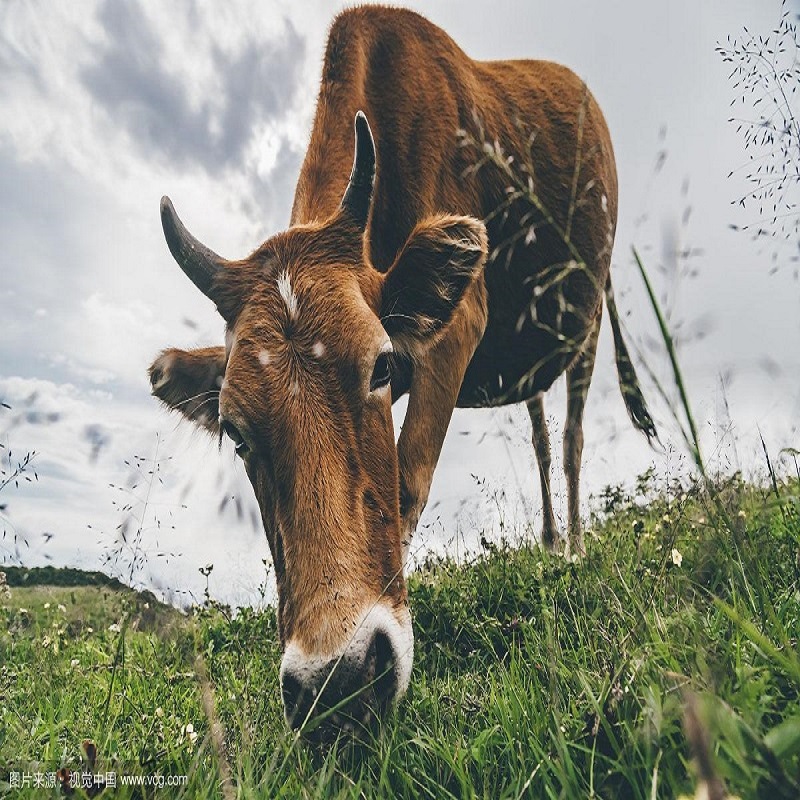
Adding betaine (a natural and safe nutritional additive) to cattle and sheep feed primarily functions as a “multifunctional nutritional regulator,” exerting positive effects on animal growth, health, and production performance. Its core mechanism involves serving as an efficient methyl donor and osmotic pressure regulator.
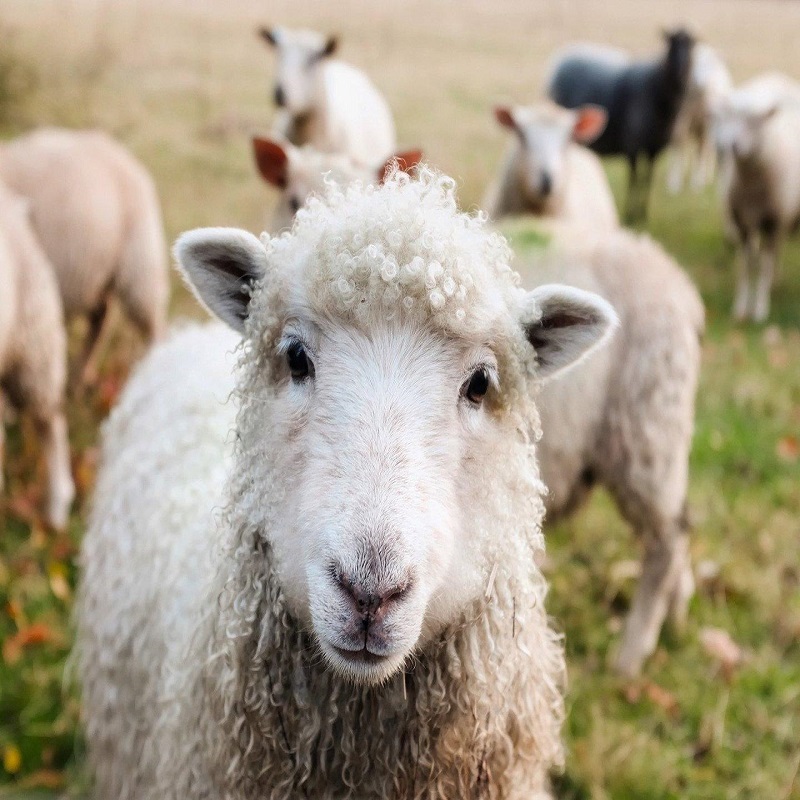
Here are its specific functions and benefits:
Ⅰ. Core physiological function
1. Provide methyl groups to promote protein synthesis:
Betaine is a more efficient methyl donor than choline and methionine. It participates in the metabolic cycle in the body, can “save” methionine, use more methionine for protein synthesis, promote the growth of cattle and sheep, and improve feed conversion rate (allowing the feed consumed by cattle and sheep to be more effectively converted into meat or milk).
2. Regulate osmotic pressure and resist stress:
Betaine can stabilize the cell membrane and help cells maintain moisture and normal function in external environmental changes such as high temperature, water shortage, and high salt. This is crucial for alleviating heat stress in cattle and sheep (decreased appetite in summer) and maintaining the health of intestinal epithelial cells (promoting nutrient absorption). Promote fat metabolism and improve body shape: It can regulate fat metabolism, reduce back fat deposition, increase lean meat percentage, and improve the carcass quality of beef cattle and sheep.
Ⅱ. The main benefits in actual breeding are to improve production performance:
1. Beef cattle/sheep: increase average daily weight gain, improve feed efficiency, and make cattle and sheep grow faster and more economically.
2. Cows: Increase milk production and potentially improve milk composition.
3. Improving meat quality: making the marble patterns more abundant, the meat color brighter, reducing water loss, and enhancing the commercial value of meat.
4. Enhancing stress resistance: Adding betaine during hot seasons can effectively alleviate heat stress, maintain feed intake and normal metabolism, and is an important nutritional strategy for summer farming.
5. Protect liver health: promote fat metabolism, help prevent fatty liver (especially common in perinatal cows), and ensure normal liver function.
6. Maintaining intestinal health: As an osmotic regulator, it can maintain the water balance of intestinal cells, especially during diarrhea or stress, helping to protect intestinal mucosa and promote damaged mucosal repair.
7. Enhancing immunity: By improving overall metabolism and health status, indirectly enhancing animals’ immunity and disease resistance.
Ⅲ. Main benefits in actual aquaculture
Improve production performance:
1. Beef cattle/sheep: Increase average daily weight gain, improve feed efficiency, and make cattle and sheep grow faster and more economically.
2. Cows: Increase milk production and potentially improve milk composition.
Improving meat quality: making the marble patterns more abundant, the meat color brighter, reducing water loss, and enhancing the commercial value of meat.
3. Enhancing stress resistance: Adding betaine during hot seasons can effectively alleviate heat stress, maintain feed intake and normal metabolism, and is an important nutritional strategy for summer farming.
Protect liver health: promote fat metabolism, help prevent fatty liver (especially common in perinatal cows), and ensure normal liver function.
4. Maintaining intestinal health: As an osmotic regulator, it can maintain the water balance of intestinal cells, especially during diarrhea or stress, helping to protect intestinal mucosa and promote damaged mucosal repair.
5. Enhancing immunity: By improving overall metabolism and health status, indirectly enhancing animals’ immunity and disease resistance.
Ⅳ. Usage precautions: Add amount:
Scientific recommendations should be followed, typically adding 0.5-2 kilograms per ton of full price feed. Excessive addition has no additional benefits and may result in waste.
1. Stability: Betaine has stable properties, high temperature resistance, acid and alkali resistance, and is not easily damaged during feed processing and storage.
2. Synergistic effect: It has a good synergistic effect with vitamins and amino acids (such as lysine and methionine) and can be used in combination.
3. Safety: Betaine naturally exists in the bodies of animals and plants (such as sugar beets and wheat bran), and as a feed additive, it has high safety, no residue, and no toxic side effects.
summary:
In summary, adding betaine to cattle and sheep feed is like supplementing animals with a “multifunctional nutritional regulator”.
It mainly achieves a comprehensive effect of “promoting growth, resisting stress, maintaining health, and improving quality” through efficient energy supply and regulating osmotic pressure, and is an economically effective nutritional strategy in modern animal husbandry.