Green aquatic feed additive- Potassium Diformate 93%
The characteristics of green aquatic feed additives
- It promotes the growth of aquatic animals, effectively and economically enhances their production performance, improves feed utilization and the quality of aquatic products, resulting in high aquaculture benefits.
- It strengthens the immune function of aquatic animals, prevents infectious diseases, and regulates their physiological functions.
- It leaves no residue after use, does not affect the quality of aquatic animal products, and has no adverse impact on the human living environment and health.
- Its physical, chemical, or bioactive properties are stable, allowing it to effectively function in the gastrointestinal tract without affecting feed palatability.
- It exhibits minimal or no incompatibility when used in combination with other pharmaceutical additives, and bacteria are less likely to develop resistance to it.
- It has a wide safety margin, with no toxic or side effects on aquatic animals even during long-term use.
Potassium diformate, also known as double potassium formate, is widely used in aquaculture.
English Name: Potassium diformate
CAS NO: 20642-05-1
Molecular Formula: HCOOH·HCOOK
Molecular Weight: 130.14
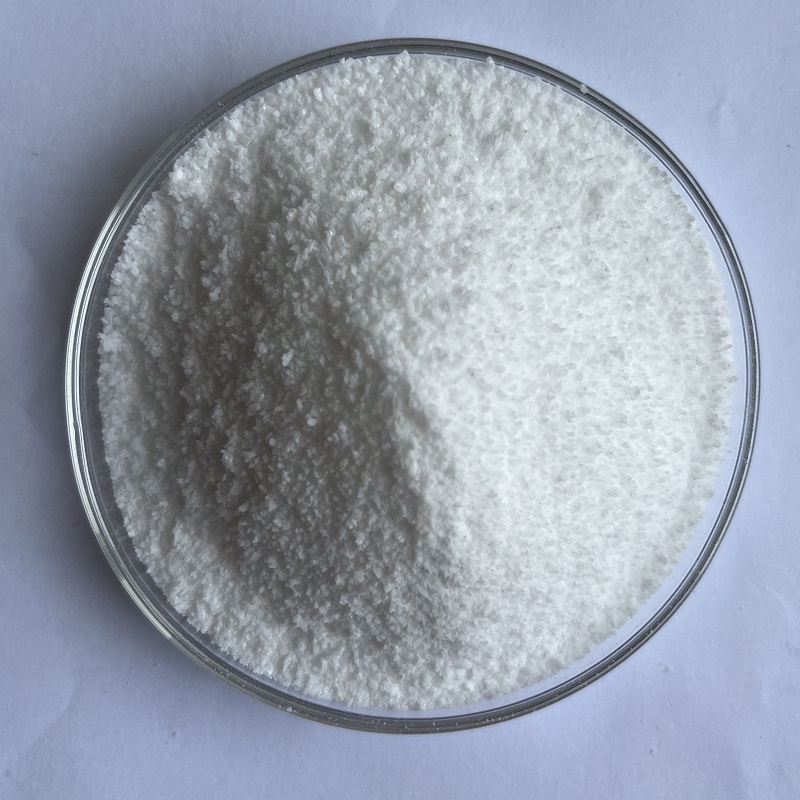
Appearance: White crystalline powder, easily soluble in water, acidic taste, prone to decomposition at high temperatures.
The application of potassium diformate in aquaculture is reflected in its ability to promote the colonization and proliferation of beneficial bacteria in the digestive tract, regulate intestinal health, improve survival and growth performance, while optimizing water quality, reducing ammonia nitrogen and nitrite levels, and stabilizing the aquatic environment.
Potassium diformate regulates water quality in aquaculture ponds, decomposes residual feed and feces, reduces ammonia nitrogen and nitrite content, stabilizes the aquatic environment, optimizes the nutritional composition of feed, increases feed digestibility and absorption, and enhances the immunity of aquatic animals.
Potassium diformate also possesses antibacterial properties, reducing the number of bacteria in the intestines, particularly harmful bacteria such as E. coli and Salmonella, while promoting the growth of beneficial microbial flora in the gut. These effects collectively enhance the health and growth of aquatic animals, improving aquaculture efficiency.
The advantages of potassium diformate in aquaculture include its role as a non-antibiotic growth promoter and acidifier. It lowers the pH in the intestines, accelerates the release of buffers, disrupts the spread and metabolic functions of pathogenic bacteria, ultimately leading to their death. The formic acid in potassium diformate, being the smallest organic acid in molecular weight, exhibits strong antimicrobial activity, reducing the need for antibiotics and decreasing antibiotic residues in aquatic products.