The Role of the Attractant DMPT in Fishing
Here, I’d like to introduce several common types of fish feeding stimulants, such as amino acids, betaine hcl , dimethyl-β-propiothetin hydrobromide (DMPT), and others.
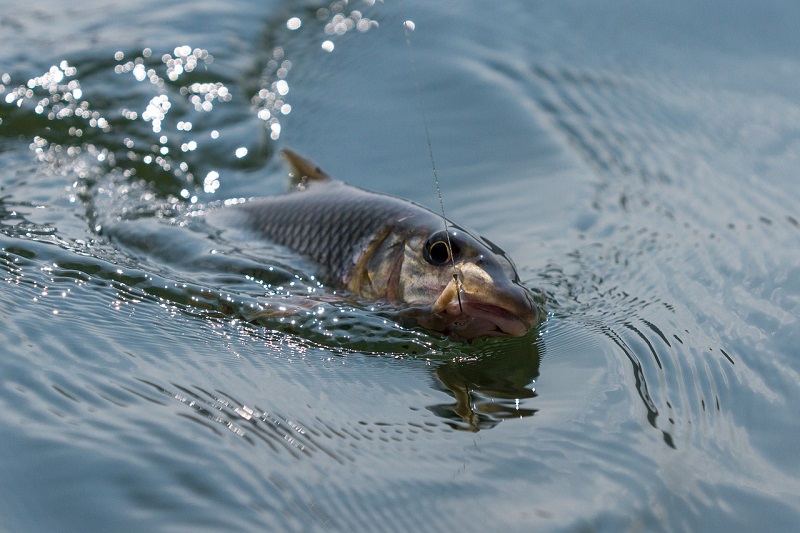 As additives in aquatic feed, these substances effectively attract various fish species to feed actively, promoting rapid and healthy growth, thereby achieving increased fishery production.
These additives, as essential feeding stimulants in aquaculture, play a significant role. Unsurprisingly, they were introduced into fishing early on and have proven to be highly effective.
DMPT, a white powder, was initially extracted from marine algae. Among numerous feeding stimulants, its attraction effect is particularly outstanding. Even stones soaked in DMPT can trigger fish to nibble on them, earning it the nickname “fish-biting stone.” This fully demonstrates its effectiveness in attracting a wide range of fish species.
With technological advancements and the rapid development of aquaculture, synthetic methods for DMPT have continuously improved. Several related varieties have emerged, differing in name and composition, with increasingly enhanced attraction effects. Despite this, they are still collectively referred to as DMPT, though synthetic costs remain high.
In aquaculture, it is used in very small quantities, accounting for less than 1% of the feed, and is often combined with other aquatic feeding stimulants. As one of the most mysterious attractants in fishing, I don’t fully understand how it stimulates fish nerves to repeatedly encourage feeding, but this doesn’t diminish my recognition of this chemical’s undeniable role in fishing.
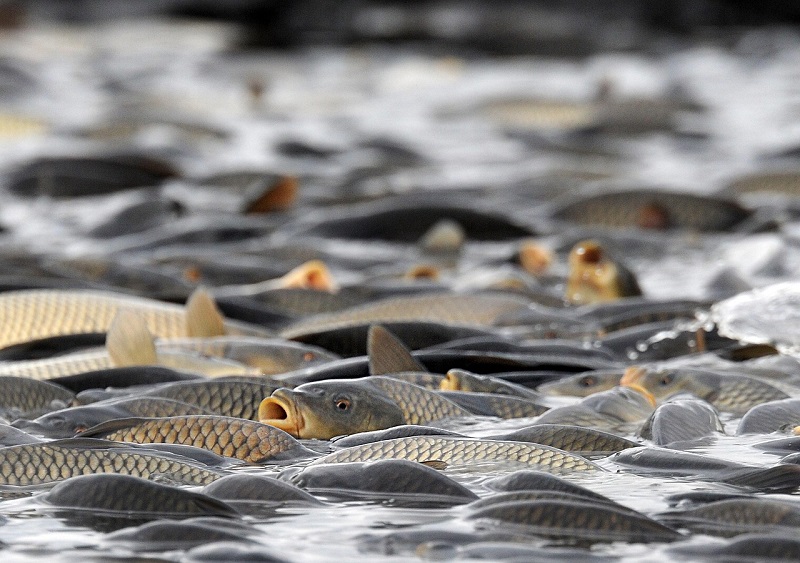
- Regardless of the DMPT variety, its attraction effect applies year-round and across regions, covering almost all freshwater fish species without exception.
- It is particularly effective during late spring, throughout summer, and early autumn—seasons with relatively high temperatures. It can effectively counteract conditions such as high temperatures, low dissolved oxygen, and low-pressure weather, encouraging fish to feed actively and frequently.
- It can be used in combination with other attractants like amino acids, vitamins, sugars, and betaine for enhanced effects. However, it should not be mixed with alcohol or flavoring agents.
- When making bait, dissolve it in pure water. Use it alone or mix it with the attractants mentioned in point 3, then add it to the bait. It is suitable for use with natural-flavored baits.
- Dosage: For bait preparation, it should account for 1–3% of the grain proportion. Prepare it 1–2 days in advance and store it refrigerated. When mixing bait, add 0.5–1%. For soaking fishing bait, dilute it to about 0.2%.
- Excessive use can easily lead to “dead spots” (overwhelming the fish and stopping feeding), which is crucial to note. Conversely, too little may not achieve the desired effect.
As external factors such as water conditions, region, climate, and season change, anglers must remain flexible in their usage. It is important not to assume that having this stimulant alone guarantees fishing success. While fish conditions determine the catch, the angler’s skill remains the most critical factor. Feeding stimulants are never the decisive element in fishing—they can only enhance an already good situation, not turn a bad one around.